A cold shower is often the first sign that something has gone wrong with your water heater—and suddenly finding the right professional becomes urgent. If you’re wondering who works on hot water heaters, the most common answer is a licensed plumber, although HVAC technicians, electricians, and specialized water heater technicians may also handle certain problems.
Choosing the right professional matters because water heaters combine plumbing with electricity, natural gas, ventilation, or high-temperature components depending on the system. Calling the right technician can save time and help ensure the repair is completed safely.
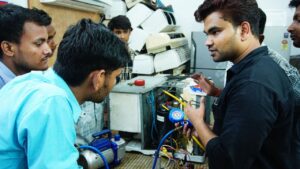
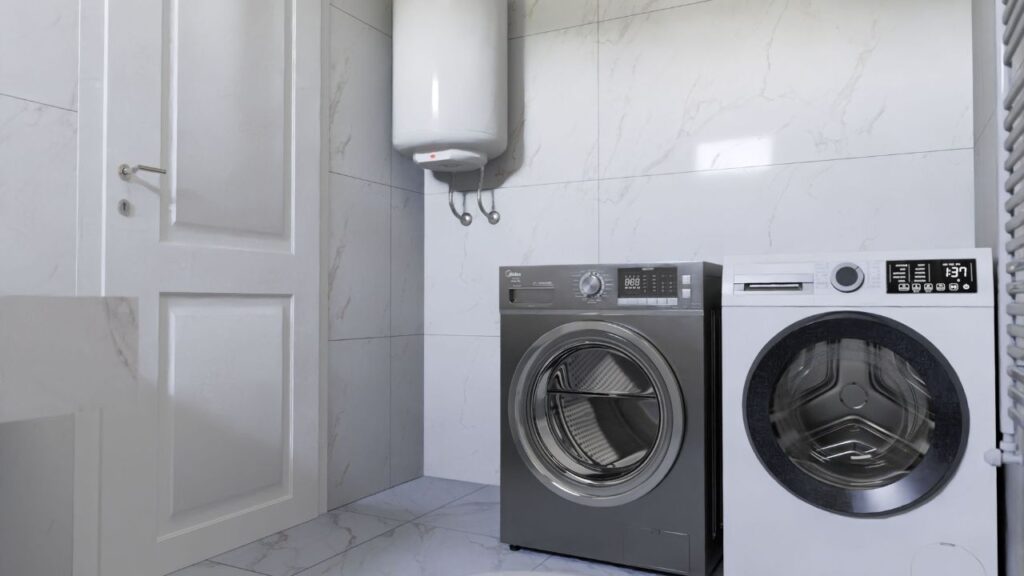
Image: Licensed plumber inspecting a residential hot water heater in a clean utility room.
Who Works on Hot Water Heaters?
Plumbers are generally the first professionals homeowners call for water heater problems. Licensed plumbers routinely install, maintain, diagnose, repair, and replace traditional tank-style and many tankless water heaters.
However, the answer to who works on hot water heaters can change depending on the heater type and the problem. An electrical fault may require an electrician, while certain gas or ventilation problems may be handled by an HVAC technician or appropriately licensed plumbing professional.
Plumbers
A plumber is usually the best starting point for everyday water heater problems. Water heaters are directly connected to a home’s water supply and plumbing system, so plumbers have the training and tools necessary to address many common failures.
A plumber may handle issues such as:
- Water leaking around the heater
- Faulty pressure relief valves
- Damaged water connections
- Tank replacement
- Sediment buildup
- Insufficient hot water
- Temperature problems
- Corroded plumbing connections
- Tankless water heater servicing
For a leaking tank or problems involving water pipes, calling a licensed plumber is generally the most appropriate choice.
Can HVAC Technicians Repair Hot Water Heaters?
Some HVAC technicians work on water heaters, particularly gas-fired or combination heating systems. Their experience with burners, combustion, gas lines, ventilation, and heating equipment can make them suitable for certain water heater problems.
Whether an HVAC company services your particular unit depends on the company, technician licensing, local regulations, and equipment type. Before scheduling an appointment, explain whether you have a gas, electric, heat-pump, or tankless unit.
Image: HVAC technician checking the controls and ventilation of a gas water heater.
When an HVAC Technician May Be Appropriate
An HVAC professional may be worth contacting when a water heater problem involves combustion, ventilation, burners, or a system connected with home heating equipment.
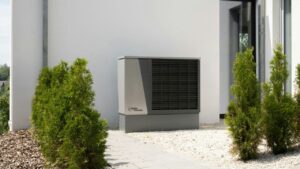
Heat-pump water heaters are another situation where specialized HVAC knowledge may be valuable because these systems use refrigeration technology to transfer heat rather than relying only on conventional resistance heating.
Do Electricians Work on Water Heaters?
Electricians can repair electrical problems associated with electric water heaters. However, they generally aren’t the first choice for leaks, plumbing connections, or replacing water pipes.
If you’re trying to determine who works on hot water heaters when breakers repeatedly trip or electrical wiring appears to be the source of the problem, a licensed electrician may be appropriate.
Electrical problems can involve wiring, circuits, breakers, disconnects, or the electrical supply serving the heater. Because water and electricity are a dangerous combination, electrical repairs should be left to properly qualified professionals.
What Does a Water Heater Technician Do?
Some plumbing, HVAC, and appliance-service companies employ technicians who specialize specifically in water heating systems. These professionals may work on conventional storage tanks, tankless units, heat-pump models, or commercial systems.
A water heater technician typically begins by diagnosing the cause of the problem. The technician may inspect connections, valves, heating components, controls, ventilation, and other system-specific components before recommending repair or replacement.
Repair Versus Replacement
Not every malfunction means you need a completely new water heater. A professional may be able to replace an individual component or correct a plumbing, electrical, or control problem.
Replacement becomes more likely when a tank has developed significant corrosion, is leaking from the tank itself, requires frequent repairs, or has reached an age where investing in additional repairs makes little financial sense.
Who Works on Hot Water Heaters That Use Gas?
Gas water heaters require particular care because they involve fuel combustion and exhaust gases. Depending on local licensing requirements, qualified plumbers, HVAC technicians, or specialized gas technicians may service them.
Problems involving gas supply, combustion, or venting should not be treated as casual DIY projects. If you smell gas, avoid attempting repairs or operating electrical switches nearby; leave the area and follow your gas utility or local emergency authority’s safety instructions.
Infographic: “Which Water Heater Professional Should You Call?” showing plumber for leaks and plumbing, electrician for electrical supply issues, and qualified HVAC/gas technician for relevant combustion and ventilation problems.
What About Tankless Water Heaters?
Tankless water heaters operate differently from conventional storage tanks. Instead of storing a large volume of heated water, they heat water as it flows through the unit.
If you’re asking who works on hot water heaters of the tankless variety, look for a plumber or technician specifically trained to service your unit’s fuel type and manufacturer.
Tankless systems can require specialized diagnostics, cleaning, descaling, and inspection. Gas-fired units may also involve combustion and venting components, while electric models rely on high-demand electrical connections.
Why Specialized Experience Matters
Modern water heaters increasingly use electronic controls, sensors, diagnostic codes, and efficiency technologies. Experience with the specific system can make troubleshooting faster and reduce unnecessary component replacement.
When contacting a service company, provide the water heater’s brand, model, fuel type, approximate age, and symptoms. This information helps the company determine whether it has the appropriate technician.
Signs You Should Call a Professional
Minor changes in water temperature aren’t always emergencies, but certain symptoms deserve professional attention.
Consider arranging service when you notice:
- No hot water
- Water around the tank
- Unusual noises
- Rust-colored hot water
- Frequent temperature changes
- A repeatedly tripping breaker
- Visible corrosion
- Reduced hot-water capacity
- Error codes on a tankless unit
- Persistent problems after basic manufacturer-recommended checks
Knowing who works on hot water heaters before a failure happens can make an unexpected breakdown much easier to manage.
How to Choose the Right Water Heater Professional
Start by identifying your heater type: gas, electric, tankless, heat pump, or another system. Then look for a professional whose licensing and experience match the work required in your area.
Ask whether the technician regularly services your particular type and brand of water heater. You can also request an explanation of the diagnosis and a written estimate before authorizing major repairs.
For installations or replacements, proper sizing is equally important. A water heater that is too small may struggle to meet household demand, while selecting equipment solely because it is larger may create unnecessary costs.
FAQs About Who Works on Hot Water Heaters
What kind of professional fixes a hot water heater?
A licensed plumber handles many water heater repairs. Depending on the problem and system type, an electrician, HVAC technician, gas professional, or specialized water heater technician may also be required.
Should I call a plumber for a water heater?
Yes. A plumber is usually an excellent first call, especially for leaks, valves, water connections, conventional tank replacement, and many common performance problems.
Can an electrician fix an electric water heater?
An electrician can address problems involving the electrical supply, wiring, circuits, and breakers. Some water heater component repairs may instead be handled by plumbers or specialized service technicians.
Can an HVAC technician repair a gas water heater?
Some can. HVAC professionals with the appropriate qualifications may service gas-fired water heaters, burners, combustion systems, and ventilation components. Services and licensing requirements vary by location.
Who fixes a leaking hot water heater?
A licensed plumber is generally the appropriate professional for a leaking water heater. The plumber can determine whether the leak comes from a connection, valve, fitting, or the tank itself.
Who works on tankless hot water heaters?
Plumbers and specialized water heater technicians commonly service tankless systems. Choose someone experienced with the specific fuel type and preferably your unit’s manufacturer.
Is it worth repairing an old water heater?
It depends on the heater’s condition, age, efficiency, repair cost, and the nature of the failure. A professional can compare the expected repair cost with replacement options.
How often should a water heater be professionally serviced?
Maintenance needs vary by water heater design, water conditions, and manufacturer. Follow the maintenance schedule in your unit’s manual and consider professional inspection when performance changes or problems appear.
Conclusion
So, who works on hot water heaters? For most homeowners, a licensed plumber is the best place to start. Plumbers handle many installation, leakage, maintenance, and repair problems, while electricians and HVAC or gas professionals may be needed when the issue involves their particular trade.
The most important factor is matching the technician’s qualifications to your water heater and the problem you’re experiencing. Whether you own a traditional tank, electric unit, gas heater, heat-pump model, or tankless system, qualified professional service can help restore reliable hot water while keeping safety at the center of the repair.